

Water Security in Developing Regions: Scalable Coagulant Solutions

Access to clean water is not just a convenience—it is the foundation of public health, economic development, and human dignity. Yet across vast areas of the developing world, water security remains elusive. Rapid urbanization, climate variability, and limited infrastructure leave millions relying on surface water sources that are turbid, contaminated, and unsafe. While the challenges…
Read MoreGulbrandsen Technologies – Leading Aluminium Chlorohydrate Manufacturer
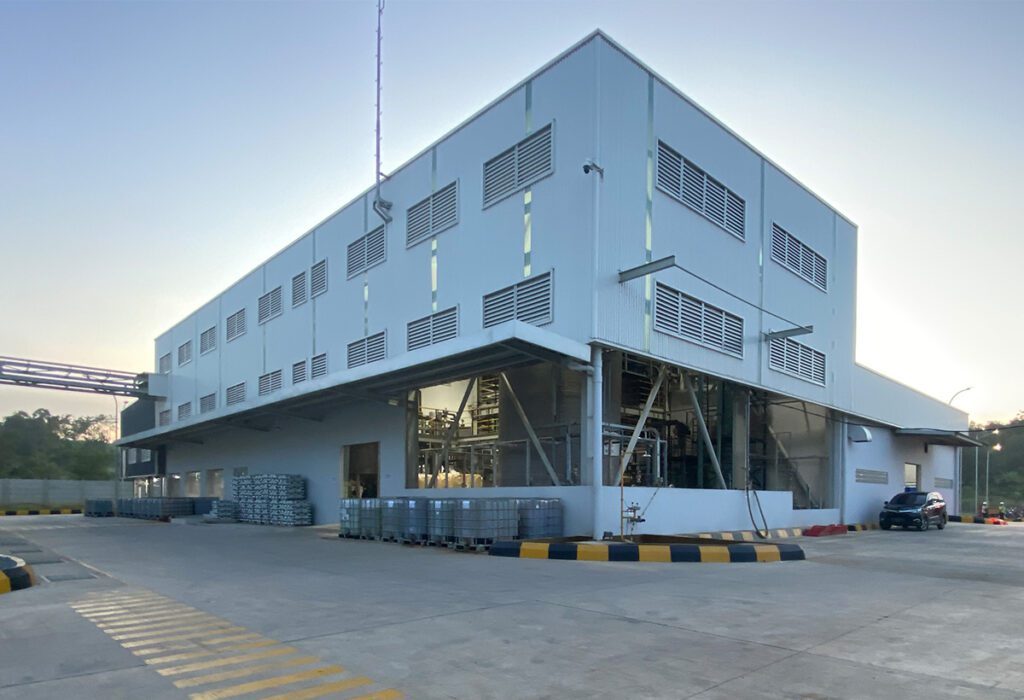
Trusted Aluminium Chlorohydrate Manufacturer, Supplier & Exporter When you are searching for a reliable Aluminium Chlorohydrate manufacturer, quality consistency, regulatory compliance, and supply reliability matter the most. At Gulbrandsen Technologies, we are a globally trusted producer, supplier, and exporter of high-purity Aluminium Chlorohydrate (ACH) for cosmetic and industrial applications. With advanced manufacturing infrastructure, strict quality…
Read MoreHow Innovative Coagulants Can Reduce Water Treatment Costs by 20%

Water treatment facilities face constant pressure to deliver high-quality water while managing operational costs. One of the most impactful areas for optimization is coagulation, where innovative coagulant technologies are demonstrating measurable cost savings. The Cost Challenge in Water Treatment Energy consumption, chemical usage, sludge handling, and maintenance collectively drive treatment costs. Inefficient coagulation can increase…
Read MoreThe Role of Aluminum-Based Coagulants in Ensuring Safe Drinking Water

Access to safe drinking water remains one of the most critical public health priorities worldwide. As urban populations grow and water sources become increasingly stressed by industrial discharge and environmental changes, water treatment technologies must evolve to meet higher safety standards. Among the many treatment processes, coagulation plays a central role, and aluminum-based coagulants continue…
Read MoreOptimizing Coagulant Use: Lessons from Real-World Applications

Water treatment is both a science and an art—balancing chemical performance, operational efficiency, and environmental responsibility. One of the most critical steps in the treatment process is coagulation, where coagulants are used to destabilize and remove suspended solids, organic matter, and other impurities. But achieving optimal results requires more than just adding a coagulant—it demands…
Read MoreReducing Residual Aluminum: Best Practices for Safer Water

Ensuring the safety and quality of treated drinking water is a critical responsibility for water treatment facilities across the globe. One of the key concerns in this domain is managing residual aluminum levels after treatment. While aluminum-based coagulants like aluminum sulfate (alum) are widely used for removing turbidity, organic matter, and other impurities, they can…
Read More